
Why Local Legends Matter to Small Communities
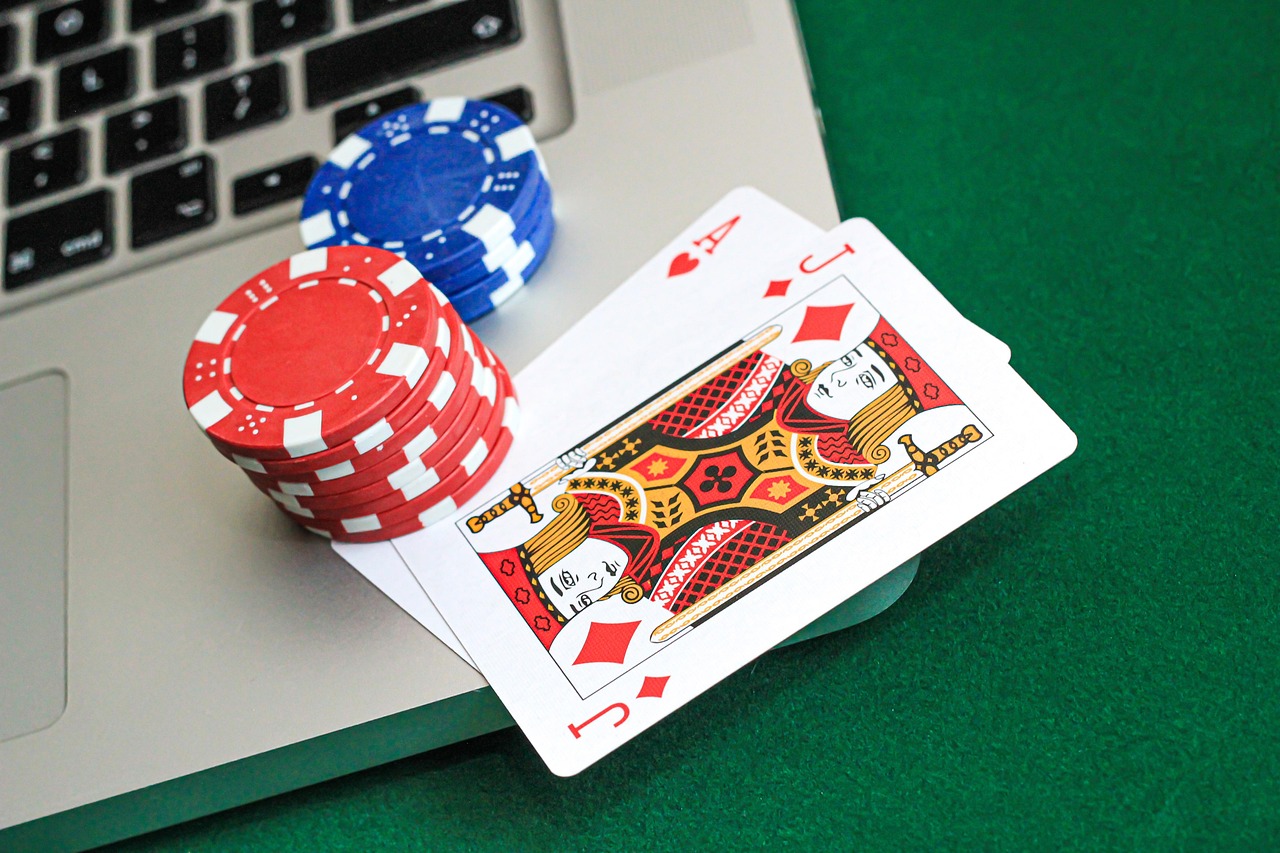
Ask ten people why casinos make money and nine will shrug and say, "the house always wins." Technically true, but useless advice if you're trying to figure out why your bankroll vanishes faster on some games than others. The real answer lives in a boring-sounding number most players ignore: house edge. Understand that, and you stop treating gambling like a coin flip and start treating it like a math problem you can actually navigate.
Let me walk you through the mechanics that separate players who burn out in a week from those who stick around for years without throwing money into a void.
House Edge: The Invisible Tax on Every Bet
Every casino game has a built-in mathematical advantage for the operator. That advantage is the house edge, and it varies wildly depending on what you play and how you play it. Here's the reality check:
- Blackjack with basic strategy: roughly 0.5% house edge
- European roulette: 2.7%
- American roulette: 5.26% (the double zero kills you)
- Three-card poker: around 3.4%
- Online slots: anywhere from 2% to 10%, depending on RTP
- Keno: often a brutal 25% or more
Notice something? American roulette has nearly double the edge of European roulette for the exact same game. That single extra zero slot costs players millions collectively. If a casino offers both tables, walk past the American one. This is the kind of decision that separates informed players from tourists.
Slots: Volatility Is the Real Story, Not RTP
Slot players obsess over RTP (return to player), usually expressed as a percentage. A slot with 96% RTP means that over millions of spins, it pays back 96 cents per dollar wagered. That sounds decent until you realize it says nothing about what happens in your session.
What actually shapes your experience is volatility. High-volatility slots like Money Train or San Quentin hit rarely but can pay enormous multipliers. Low-volatility slots like Starburst or Blood Suckers pay small amounts constantly. Neither is objectively better. They're different tools for different goals.
- High volatility: smaller session bankroll, fewer spins, chase the big hit
- Medium volatility: balanced session length and payouts
- Low volatility: longer playtime, consistent small returns
A quick rule of thumb: multiply the slot's max win potential by its RTP to estimate long-term value, but never bet more than 1-2% of your bankroll per spin on high-volatility games. That's the difference between a rough afternoon and a wiped account.
Poker: Where the House Edge Disappears (Sort Of)
Poker is the odd one out. You're not playing against the house. You're playing against other players, and the house just takes a rake (typically 5-10% of each pot, capped). This means a skilled poker player can theoretically achieve positive expected value over time, something impossible at roulette or slots.
But here's the trap most beginners fall into: they confuse winning sessions with skill. Poker variance is enormous. Even a player with a 5 big blinds/100 hands win rate can lose for thousands of hands in a row. The mental game matters as much as the technical one.
Three concrete areas where beginners bleed money:
- Playing too many starting hands out of position
- Failing to adjust bet sizing based on board texture
- Tilting after bad beats and shifting to revenge mode
If you're new, start with micro-stakes cash games and stick to a tight-aggressive preflop strategy. The fancy bluffs can wait until you've logged 50,000 hands.
The Bankroll Rules That Actually Matter
Bankroll management is the topic everyone nods along to and nobody follows. It's dull because it requires discipline, but it's the single biggest factor in whether you're still gambling recreationally in two years or whether you've sworn it off after a disastrous night. A good place to continue is สล็อต.
Here are the thresholds experienced players use:
- Recreational slots/table games: 20-50 betting units per session; treat it as entertainment spending, not investment
- Poker cash games: 20-30 buy-ins minimum to withstand variance
- Poker tournaments: 50-100 buy-ins for MTTs due to their extreme volatility
- Sports betting: 1-5% of bankroll per bet, never chase losses
Notice the pattern? The higher the variance, the more cushion you need. Someone with $1,000 who sits at a $50 tournament is gambling recklessly. Someone with $20,000 who buys into the same tournament is being reasonable. Same action, completely different risk profile.
Promotions, Bonuses, and the Fine Print Nobody Reads
Online operators compete through bonuses, and those bonuses come with wagering requirements that can quietly turn a "free" $100 into a losing proposition. A typical welcome bonus might be 100% up to $200 with 35x wagering on the bonus amount. That means you need to bet $7,000 before you can withdraw.
The math deteriorates further when you realize many slots contribute only 10-20% toward wagering requirements (unless explicitly stated otherwise). Table games often contribute 0%. So your slot-heavy playthrough might actually require $35,000 or more in total bets.
Before claiming any bonus, check three things:
- The wagering requirement multiplier
- The game contribution percentages
- The maximum bet allowed while clearing the bonus (usually $5 per spin - breach it and you forfeit everything)
Sometimes the bonus isn't worth claiming at all. A modest rakeback deal or cashback scheme often delivers more real value than a flashy welcome package.
The Honest Conclusion
Nothing in this article will help you beat a negative-EV game long-term. That's not a failure of strategy - it's a mathematical certainty. What you can control is how long your money lasts, how much entertainment you extract from it, and whether you're playing games where skill actually matters (poker, blackjack with strategy, some sports markets).
The smartest players I've met treat gambling like a night at the cinema: they set a budget, expect to spend it, and enjoy the experience without agonizing over the cost. The players who get angry, chase losses, and believe they're due for a big win are the ones feeding the rest of us. Know which category you want to be in, then play like you mean it.
LEAVE A COMMENT