
How to Read Fairy Tales as an Adult
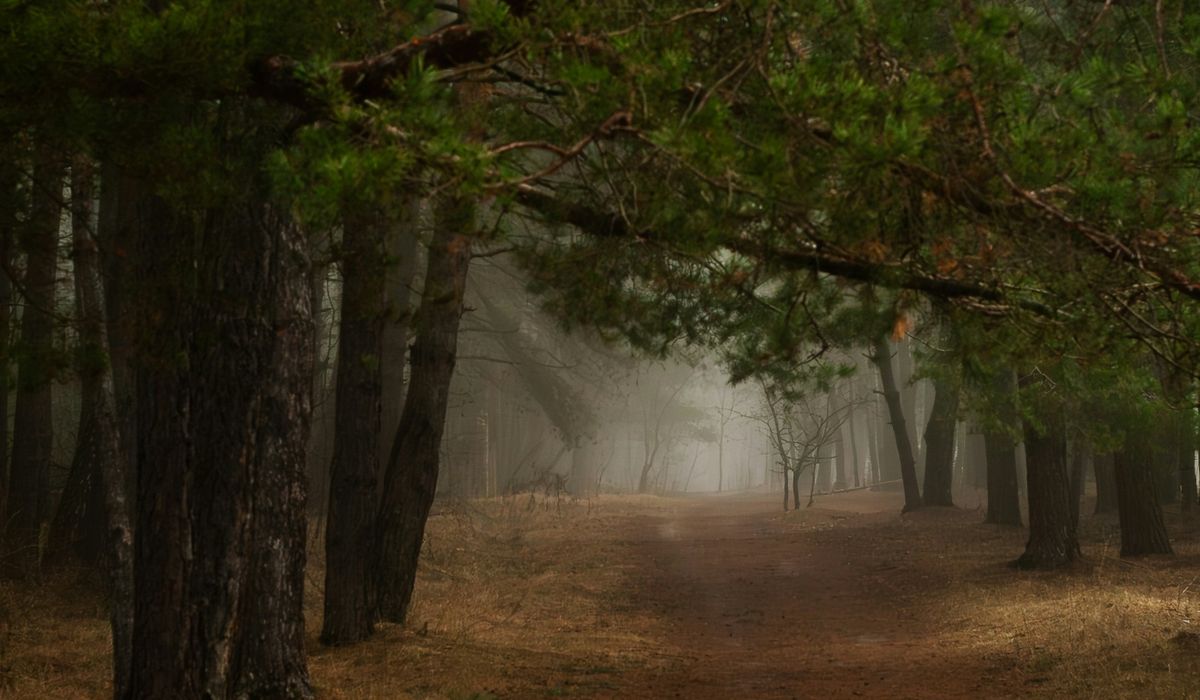
Start with Memory Before Myth
The most convincing fictional settings rarely begin with a grand cosmology. They begin with a place someone remembers. Before you decide which gods walk your moors or which river has a spirit in it, decide what the ground feels like underfoot in November. What does the wind carry off the estuary? Which field floods every third winter? A world built on remembered geography feels inhabited before a single supernatural thing happens in it.
Try this: write a page of plain, unmagical description of your setting as though you had grown up there. Name the lanes. Note where the bus stops and where it does not. Only then ask what the locals refuse to do after dark, and why. Folklore laid over real memory sticks; folklore laid over nothing tends to slide off.
Choose Myths That Ask Something of People
Not every folkloric creature earns its place. A world stuffed with selkies, boggarts, will-o'-the-wisps and a dragon for good measure quickly becomes a bestiary rather than a story world. The myths that build a setting are the ones that impose obligations.
- A bargain that must be honoured, or a price that comes due.
- A taboo with a reason nobody quite remembers, only the fear that remains.
- A seasonal observance that shapes when people marry, travel or harvest.
- A story told to children that quietly explains why the mill stands empty.
Pick two or three traditions and let them run deep. A single well-observed custom, followed consistently across a whole novel, does more world-building than a dozen invented deities. Ask of each: what does this belief cost my characters, and what does it protect them from?
Lay In the Senses, Specifically
Sensory detail is where invented folklore becomes believable. Generic atmosphere ("an eerie mist") persuades nobody. Precise, small sensations do the work. The smell of tallow and wet wool in a cottage. The particular squeal of a gate that only sounds in a hard frost. The taste of well water with iron in it. The way a room goes quiet when someone says a certain name.
Build a sensory palette for your setting and reuse it. If your village always smells of woodsmoke, peat and boiling jam in autumn, readers begin to recognise the place the way they recognise a person's voice. Then, when you introduce something uncanny, you can break the pattern deliberately: the smoke blows the wrong way, the jam pan is cold, the gate does not creak.
Let Customs Carry the Culture
Social customs are the connective tissue of a story world. They show how power works, who is owed respect, and what happens when someone steps out of line. You do not need to explain them. You need to show people performing them, and occasionally failing to.
Consider the small rituals: how a visitor is greeted at the door, whether shoes are removed, what is left out for the household spirit on the first night of the month, who speaks first at a funeral, which names are never given to a firstborn. Add a calendar, even a partial one. A world with festivals, fast days and forbidden weeks feels older than the plot set inside it. The best detail is the one your characters obey without thinking, and your reader notices only because someone breaks it.
Leave Traces of an Imagined History
Real landscapes are full of leftovers: humps in fields where houses stood, charter boundaries marked by a single thorn tree, a bridge named after a battle nobody can date. Your invented world should be littered with the same debris. Ruins, contradictory chronicles, half-legible inscriptions, a dialect word for a tool no one uses any more.
Contradiction is a gift. Let two sources disagree about what happened at the ford. Let the oldest woman in the village tell it differently from the parish record. History that cannot be fully recovered feels real, because that is exactly how history behaves. Resist the urge to explain everything; a gap is a place for the reader to stand.
Keep the Logic Tight, the Edges Soft
Finally, hold your world together with consistent rules. If iron repels the fair folk in chapter two, it should still do so in chapter twenty, unless you make the cost of that change explicit. Keep a private notebook of dates, customs, names and contradictions; readers forgive invention, but they notice carelessness.
Then let the edges stay soft. You do not need to map every mile of coastline or account for every spirit in the wood. A story world lives in the space between what is known and what is only whispered. Layer your real folklore with memory, sense and custom, and your readers will supply the rest themselves, which is exactly what good storytelling asks of them.
LEAVE A COMMENT